

DETECT AND DISRUPT PHISHING & ABUSE
Domain Brand Monitoring
Netcraft's domain monitoring service continuously detects phishing domains, lookalike domains, malicious websites, and attacker infrastructure targeting your organization. Using AI, analyst-authored detection rules, and enforcement-grade evidence, we validate threats and rapidly disrupt attacks before customers are exposed.
Trusted by the World's Most Targeted Brands
Modern Domain Monitoring
Goes Beyond Registration Alerts
A similar domain registration can be an early warning, but it is not the whole attack. Criminal infrastructure may sit dormant for weeks or months, appear on a compromised legitimate domain, or change its DNS, certificates, hosting, and redirects shortly before a campaign goes live. Attackers also reuse infrastructure across multiple brands and campaigns, leaving relationships that are invisible when each domain is reviewed in isolation.
Netcraft monitors domains throughout their lifecycle, not only at registration. That continuous view helps security teams identify when suspicious infrastructure becomes active, connect it to known criminal behavior, and build the evidence needed to act.

How Netcraft Domain Monitoring Works




Domain Abuse Monitoring
TO DETECT THREATS EARLIER
Netcraft monitors domains and hostnames across a wide range of data sources to uncover phishing, impersonation, fraud, and other forms of domain abuse. The service tracks suspicious domains continuously, including infrastructure that is not yet serving malicious content, so threats can be reassessed as they evolve.
Newly registered and lookalike domains
DNS and infrastructure
Domain activity over time
Related attack infrastructure
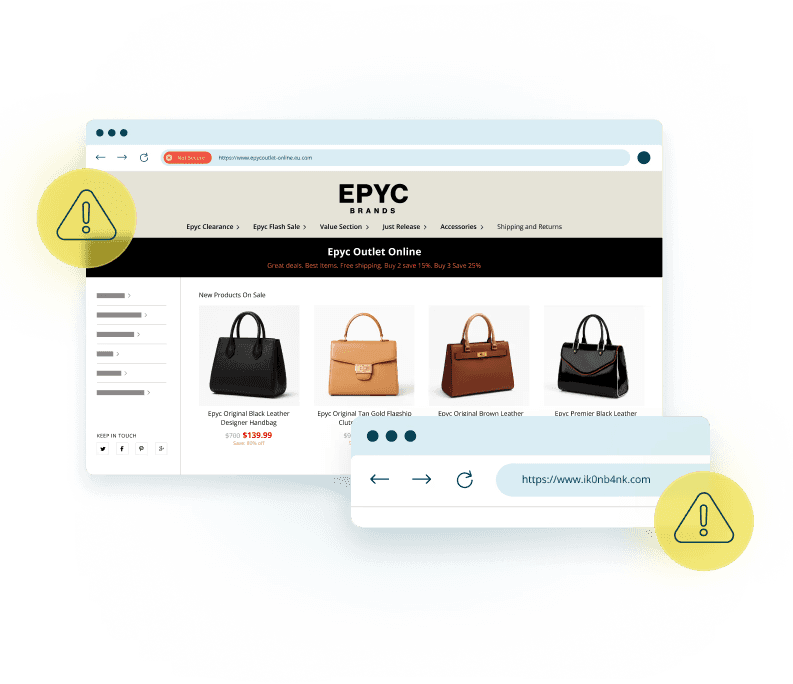
Stop malicious domains before they cause harm. See how Netcraft continuously identifies, validates, and disrupts domain-based threats before they can impact your brand, customers, or employees.

Enterprise Domain Monitoring That Drives Action
Enterprise organizations need more than domain alerts, they need the ability to rapidly identify, validate, and disrupt malicious infrastructure targeting their brand.
Free Domain Research Tools
Site Report
Investigate a specific domain or URL to view its hosting provider, registrar, IP address, SSL certificate, reputation signals, historical observations, and related infrastructure.
DNS Lookup
Search DNS records and infrastructure relationships, including historical resolutions, nameservers, related domains, and other infrastructure data.
Resources & Insights


Frequently Asked Questions
What is a domain monitoring service?
A domain monitoring service continuously watches the internet for domains that could be used to target an organization, its brand, employees, or customers. Effective monitoring goes beyond finding similar domain names, using infrastructure and threat signals to identify phishing, impersonation, fraud, and other malicious activity.
How does Netcraft monitor domains?
Netcraft combines domain and infrastructure monitoring with signals from registrations, DNS, hosting, certificates, technical configurations, and known criminal infrastructure. These signals are correlated with threat intelligence and patterns from previous attacks to distinguish genuine threats from benign registrations.
What types of domains does Netcraft detect?
Netcraft identifies domains associated with phishing, brand impersonation, typosquatting, homoglyph abuse, and other forms of malicious domain activity. This includes lookalike domains designed to resemble legitimate brands, as well as domains connected to known phishing infrastructure and campaigns.
Can Netcraft detect newly registered phishing domains?
Yes. Netcraft monitors newly registered domains alongside DNS changes, certificate issuance, hosting activity, and other infrastructure signals that can indicate a developing phishing campaign. This can allow malicious infrastructure to be identified before phishing content is deployed.
What happens after a malicious domain is detected?
Once a threat is identified, Netcraft validates the evidence and can move from detection to disruption, including blocking and takedown activity with hosting providers and registrars. Netcraft also continues monitoring takedowns for reappearance and can restart the process if malicious content returns or moves to another host.
How is Netcraft different from domain monitoring tools?
Netcraft goes beyond producing a list of suspicious domain registrations. It connects domain monitoring with threat intelligence, automated validation, infrastructure analysis, blocking, and takedown, allowing organizations to move from finding a potential threat to disrupting it through the same platform. Netcraft can also identify sufficient evidence to support disruption before malicious content is live, rather than relying solely on monitoring an active website.