

AI-POWERED
Phishing Detection
Real-Time Detection & Disruption of Phishing Attacks
Netcraft detects and disrupts phishing attacks using AI-powered threat analysis and internet-scale infrastructure intelligence. We continuously identify phishing websites, fraudulent domains, fake social media profiles, and malicious mobile apps — enabling rapid phishing takedowns with a median takedown time of just 33 minutes.
Protecting many of the world’s leading brands from phishing attacks, scams and online fraud.





Comprehensive Phishing Detection
ACROSS CRITICAL CHANNELS
Phishing attacks continue to evolve in speed, sophistication, and scale. Attackers now combine AI-generated content, compromised infrastructure, brand impersonation, and multi-channel delivery across email, SMS, messaging apps, and malicious websites to bypass traditional security controls.
Using advanced AI and global visibility, Netcraft monitors these channels to detect threats early and enable rapid disruption and takedown.
Domains & Websites
SMS & Voice
Search Engines & Ads
Social Media Platforms
Mobile Apps & App Stores
Deep & Dark Web
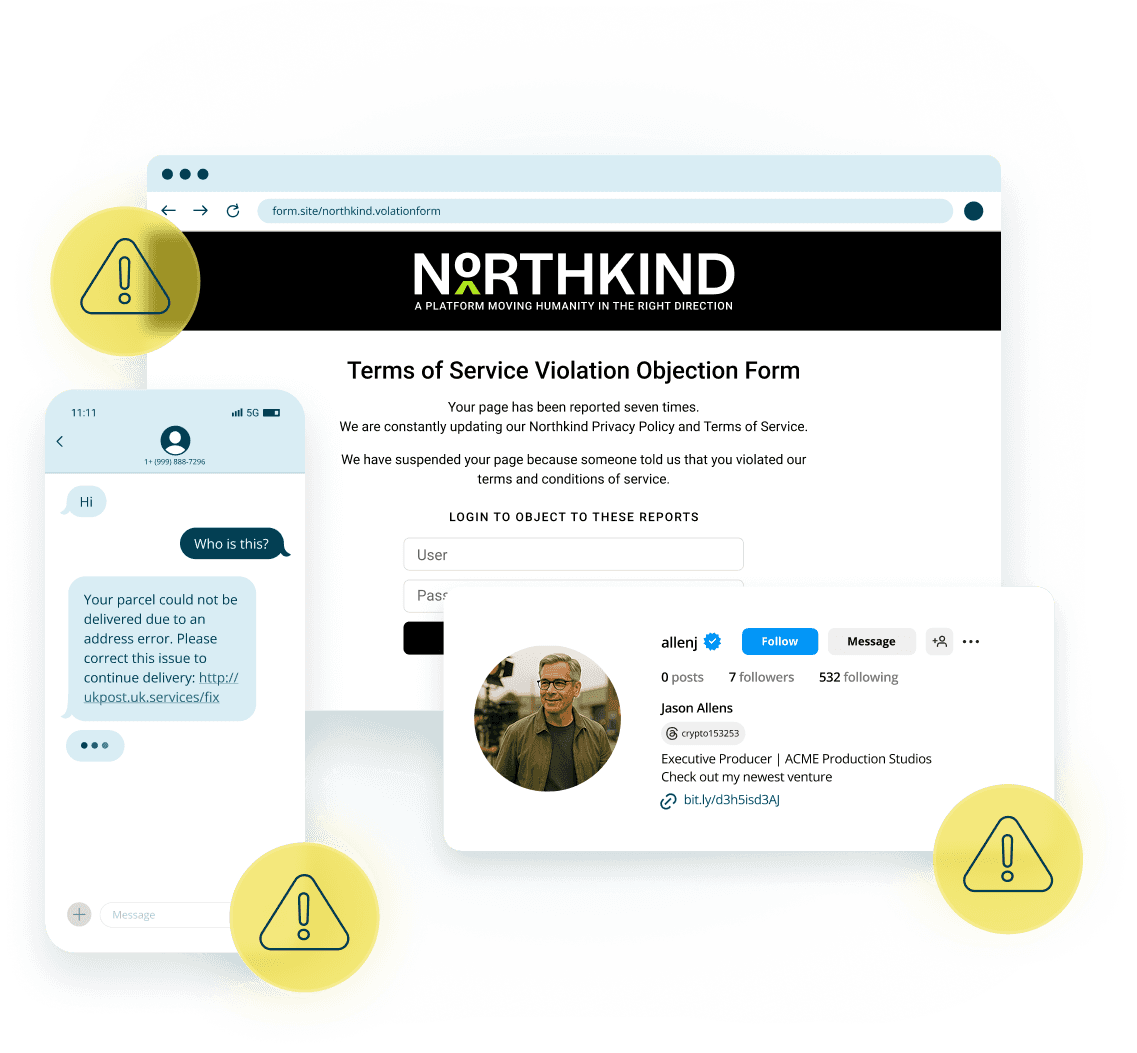
Types of Phishing Attacks We Detect
Netcraft detects 100+ phishing attack types used to impersonate your brand, from deceptive domain registration to credential harvesting and social engineering techniques.

How Netcraft Detects & Disrupts Phishing Attacks
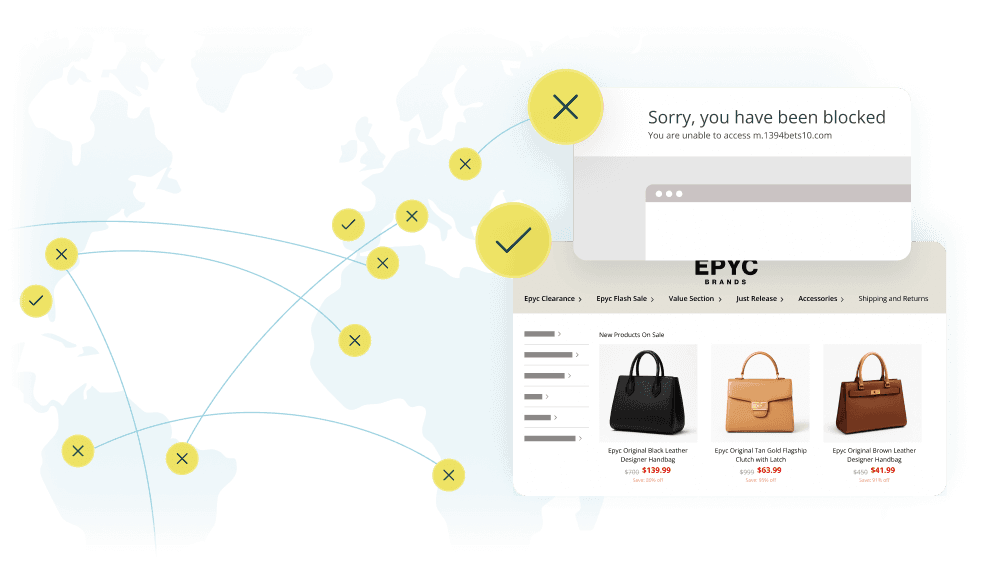
Netcraft combines rules-based logic, pattern recognition, and advanced AI to detect phishing attacks at scale. Our detection capabilities include real-time domain and infrastructure monitoring, credential harvesting and credential stuffing detection, headless browser analysis, proxy network intelligence, redirect chain tracking, and automated screenshot analysis — enabling identification of threats both before they go live and across active phishing campaigns.
Deploy countermeasures in real time to block cyber threats, with phishing websites removed from all major browsers in minutes. Users can monitor the status of these phishing scam sites — whether active or blocked — across browsers and devices, along with access to all related communications and takedown updates.


With years of experience and strong provider partnerships, website takedowns are swift and effective, with automatic reactivation if the phishing attack resurfaces within 7 days. Stay in the know about the status of each phishing campaign takedown throughout the process, from submission to response.
Our threat visibility extends beyond our customer base. It’s built on the largest proprietary data set in the industry, drawing from public DNS registrations, our cybercrime reporting community, and malicious activity reports contributed by some of the world’s largest organizations.
Automated evidence collection is combined with direct, native-language communication with service providers to ensure fast and efficient threat resolution.


Frequently Asked Questions
What is phishing detection?
Phishing detection is the process of identifying malicious infrastructure, domains, websites, and online assets used in phishing attacks before they can successfully impersonate trusted brands or steal user credentials.
Modern phishing detection platforms analyze:
suspicious domains
fraudulent websites
hosting infrastructure
DNS activity
impersonation patterns
and attacker infrastructure
to identify and disrupt phishing campaigns in real time.
Rather than filtering messages inside a user’s inbox, internet-scale phishing detection focuses on detecting and disrupting the infrastructure attackers rely on to launch phishing operations.
What are phishing detection techniques?
Common phishing detection techniques include:
Domain and URL analysis
Typosquatting and impersonation detection
DNS and hosting infrastructure analysis
Visual similarity detection
Behavioral and heuristic analysis
Machine learning and AI-based classification
Infrastructure correlation and clustering
SSL certificate analysis
Reputation and threat intelligence analysis
Credential harvesting detection
Modern phishing detection platforms combine multiple techniques to identify malicious domains, phishing websites, and attacker infrastructure in real time.
What is the difference between phishing prevention and phishing detection?
Phishing detection identifies malicious activity and phishing infrastructure. Phishing prevention focuses on stopping users from interacting with phishing content through blocking, filtering, authentication controls, and awareness measures.
Can AI detect phishing attacks?
AI-powered phishing detection systems can identify suspicious behaviors, phishing patterns, malicious infrastructure, and emerging attack campaigns more effectively than static detection methods alone.
How does Netcraft take down phishing attacks?
We automatically identify hosting providers, domain registrars, webmasters and others, and determine how to most effectively notify them (via email, API, private contact, or otherwise). We gather and present evidence of the cyber attack to demonstrate the problem to those with the ability to take down the attack.
Does Netcraft handle all types of phishing attacks?
Yes, Netcraft can handle the gamut of attacks and phishing scams, including spear phishing, phishing emails, phishing messages, phishing websites, and other potential threats.
How does Netcraft detect phishing attacks?
We receive phishing reports from industry partners, spam emails, and our anti-phishing community. With this information, we are uniquely positioned to monitor the clear, deep, and dark web for these attacks — and block them before they can cause real harm. Attacks impersonating your brand are blocked in our threat feeds, protecting billions of people.