PROTECT & DISRUPT FASTER
Brand Protection for Internet Infrastructure
Safeguard the integrity of your infrastructure with expedited reporting of hosted abuse and disrupt criminals exploiting your hard-earned brand. With automated takedown capabilities and the world's largest phishing site feed, Netcraft empowers infrastructure providers to act fast on trusted information to protect their customers and reputation.
Trusted by the World’s Leading Internet Infrastructure Providers





Threat Actors Complain About Netcraft
We love to see it

I am suffering from abuse complaints which are being reported to my hosting company by Netcraft. Netcraft is monitoring all the new domains and immediately reporting to the registrar and to the hosting company, because of that my hosting companies are [suspending] my servers without any warning.

– NEWBIE, BLACK HAT FORUM


Protect Your Infrastructure from Abuse
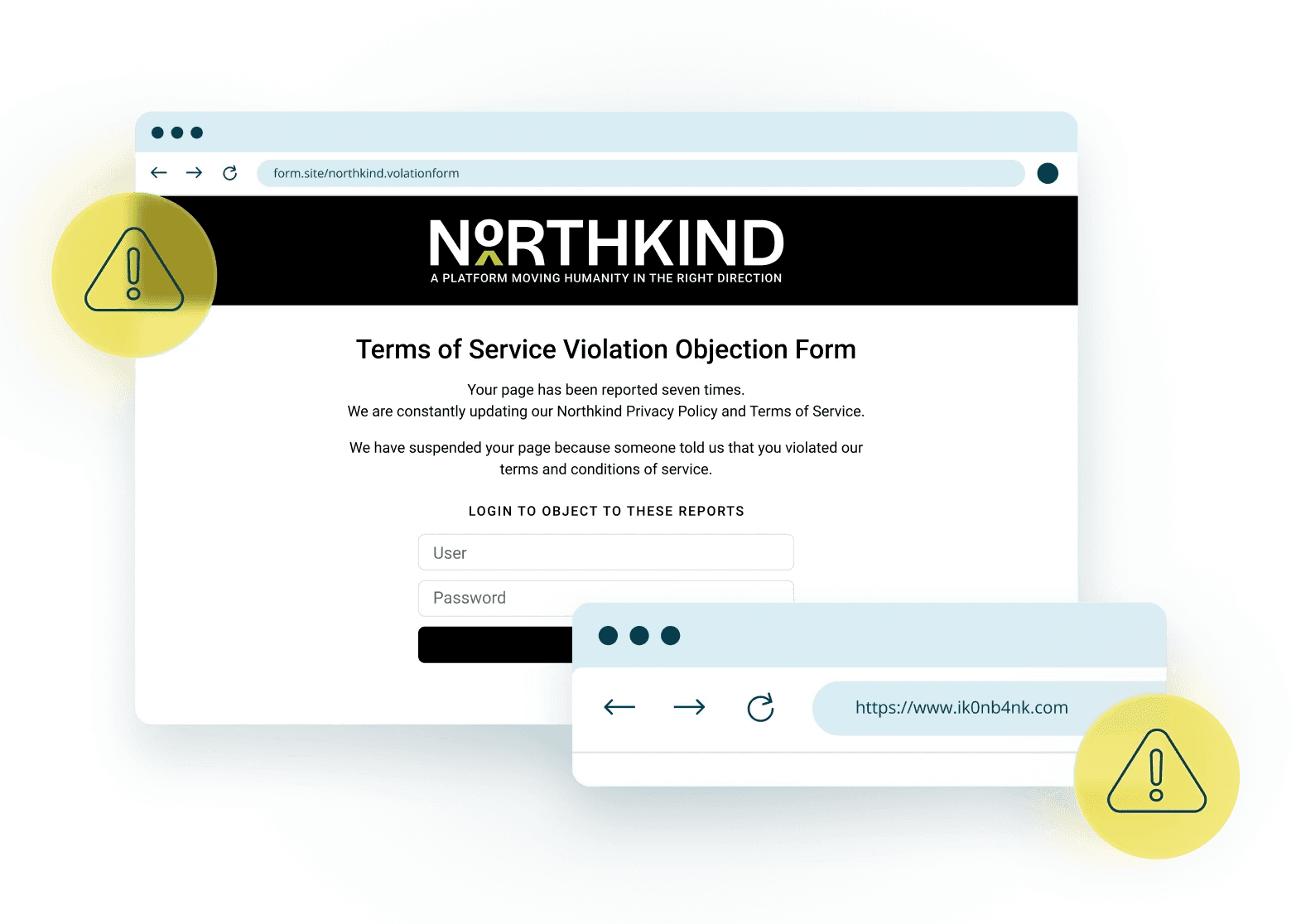
Remove Abuse Faster, Protect Your Reputation



Partnering with Providers Since 2005
Let’s connect. Our infrastructure partnership team would love to expedite your abuse reports. We’ve been partnering with infrastructure providers for 20 years and are no strangers to the challenges providers like you face daily. Contact [email protected] for more information on our threat feeds and provider API.
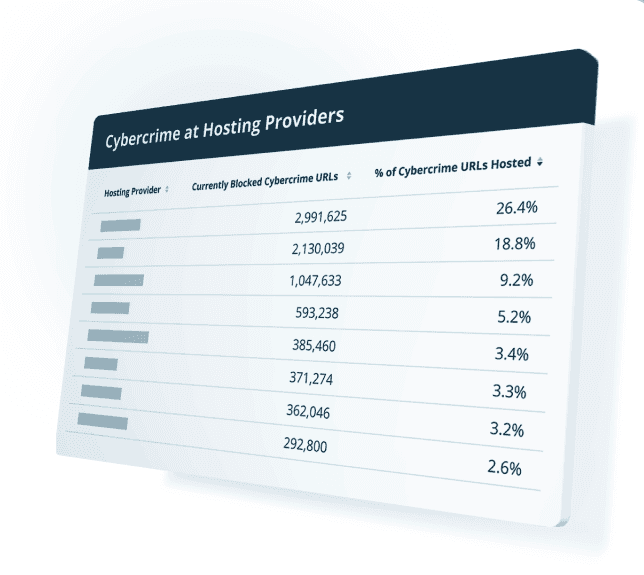
Unmatched Scale and Effectiveness
Netcraft’s online brand protection operates 24/7 to discover and stop phishing, fraud, scams, and cyber attacks through extensive automation, AI, machine learning, and human insight.


attacks taken down and growing


Netcraft is one of our biggest reporters of phishing, and 95% to 96% of the reports are actionable, which is at least 30% better than everyone else.
Top Hosting Provider
Trusted Compliance and Security



Frequently Asked Questions
What happens if Netcraft detects my infrastructure being used to host phishing attacks?
Netcraft provides validated alerts when phishing sites are detected. This is essential for hosting companies and registrars who wish to maintain their reputation.
Why do cybercriminals attempt to acquire SSL certificates?
SSL certificates lend an additional air of authenticity to phishing sites—displaying a padlock icon on a victim’s browser to indicate a secure connection. Consumers have been trained to ‘look for the padlock’ in their browser before submitting sensitive information to websites, such as passwords and credit card numbers.
Are websites that use SSL more trustworthy?
Data submitted to a phishing site using TLS is protected from eavesdroppers. However, a displayed padlock alone does not imply that a site using TLS can be trusted — nor that it is operated by a legitimate organization.